
The Complete Guide to Responsible Furniture Disposal in the UK
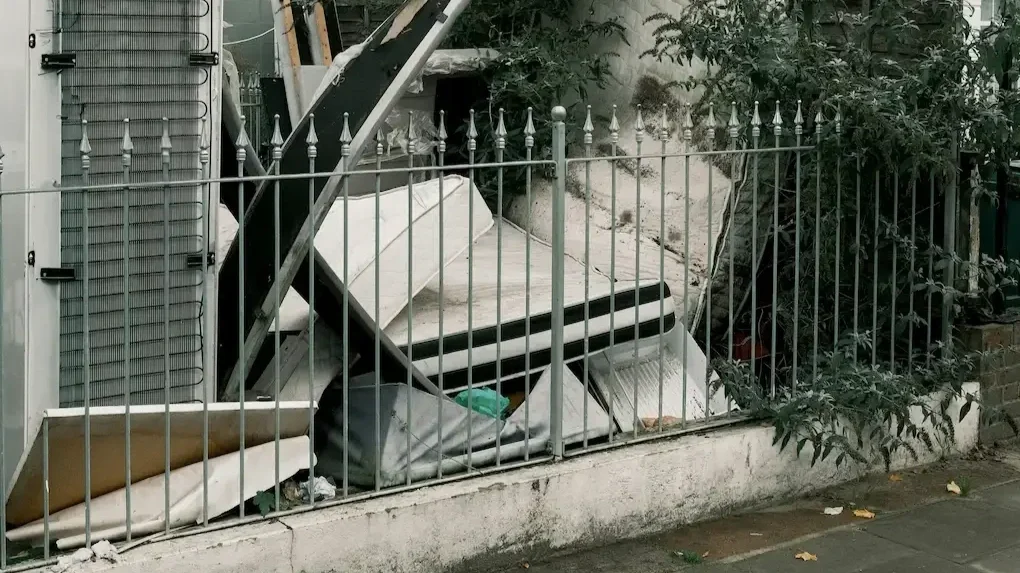
How to get rid of old sofas, wardrobes, mattresses, desks, and bulky waste — legally, safely, and without the hassle.
Old furniture is one of the most common types of bulky waste in UK homes — and one of the hardest to get rid of. Whether you’re replacing a sofa, clearing a spare room, renovating a rental property, or dealing with years of accumulated clutter, disposing of furniture isn’t as simple as dragging it outside and hoping for the best. With stricter disposal rules, tighter council policies, and rising fly‑tipping fines, households and businesses need clear guidance on how to get rid of furniture properly.
Furniture is bulky, heavy, and often made from mixed materials like wood, metal, foam, fabric, plastics, springs, and adhesives. Because of this, it can’t go in normal household bins, it can’t be left on the street, and it can’t be dumped at the wrong facility. Many items also contain fire‑retardant chemicals or electrical components, which require specialist handling. This complexity is why furniture makes up a large portion of illegal fly‑tipping across the UK — and why responsible disposal matters more than ever.
Across UK homes, the most commonly removed items include sofas, armchairs, mattresses, bed frames, wardrobes, desks, dining tables, garden furniture, shelving, recliners, and sofa beds. Each type has different disposal requirements, especially mattresses and upholstered seating, which must be processed correctly due to fire‑safety regulations.
Council Bulky Waste Collections
Council bulky waste collections can be a useful option for simple, low‑volume disposal. They’re usually affordable and convenient for basic items like tables, drawers, or chairs. However, waiting times can stretch from two to six weeks, and councils often limit how many items they’ll take. Many refuse mattresses, sofa beds, or electrical recliners altogether. You also have to leave items outside at a specific time, and no lifting help is provided. For anyone needing fast removal, multiple items, or full‑property clearance, council services often fall short.
Taking Furniture to a Local Recycling Centre
Household waste recycling centres are another option if you have a suitable vehicle and the strength to lift heavy items. Most centres accept wood, metal, mattresses, and mixed bulky waste, and disposal is usually free for household items. But you’ll need to transport everything yourself, some sites require proof of address, and many have height barriers that restrict vans. Staff cannot help you unload, and not all centres accept upholstered seating due to fire‑safety rules. For many households, especially those without vans, this option isn’t practical.
Donating or Rehoming Furniture
If your furniture is in good condition, donating it is a brilliant way to reduce waste. Charities like the British Heart Foundation, Emmaus, Shelter, and local reuse networks often accept furniture that’s clean, safe, and usable. Upholstered items must have a fire‑safety label, and charities cannot legally accept them without one. Items with stains, rips, structural damage, or missing labels will be refused. When the furniture meets the criteria, donation is a great way to give it a second life.
Selling or Giving Away Furniture Online
Platforms like Facebook Marketplace, Gumtree, eBay, Freecycle, and community groups make it easy to rehome furniture quickly. This works best for modern, good‑condition items that people actively want. However, you may deal with no‑shows, time‑wasters, or people asking for delivery. There’s also the safety aspect of meeting strangers. While it’s a great option for desirable pieces, it’s less effective for bulky, damaged, or heavily used furniture.
Hiring a Licensed Waste‑Removal Service
For most households, hiring a professional waste‑removal company is the fastest, safest, and most stress‑free way to dispose of furniture. A licensed waste carrier like Joe Junk handles everything — lifting, carrying, loading, transport, sorting, recycling, and legal disposal. You don’t need a van, you don’t need to wait weeks, and you don’t need to drag heavy items outside.
This option is popular because it offers same‑day or next‑day collection, full labour, no limits on item quantity, and suitability for full house clearances. Items are processed at licensed waste facilities, and customers receive proof of legal disposal. For anyone dealing with multiple items, heavy furniture, or time‑sensitive clearances, professional removal is the best choice.
How Joe Junk Handles Furniture Disposal
Joe Junk makes the process simple from start to finish. After booking, the team arrives ready to assess and remove your items. Furniture is dismantled if needed, carried safely, and removed without damaging floors or walls. Everything is sorted into waste streams — wood, metal, upholstery, mattresses, mixed bulky waste, and electrical components — to maximise recycling.
Items are transported to an Environment Agency‑approved waste transfer station, where they’re processed responsibly. Wood is chipped, metal is recycled, mattresses are stripped into components, and upholstery is handled according to fire‑safety regulations. Reusable items are diverted from landfill wherever possible.
Mattress Disposal
Mattresses are one of the most commonly dumped items in the UK and one of the most regulated. They contain foam, springs, fabric, and fire‑retardant chemicals, meaning they must be processed at specialist facilities. Many councils refuse them, and most recycling centres have strict rules. A professional waste‑removal service ensures mattresses are logged, transported safely, stripped into recyclable components, and disposed of legally.
Upholstered Furniture Disposal Rules
Since 2023, UK regulations around upholstered seating have tightened due to fire‑safety concerns. Sofas, armchairs, sofa beds, recliners, footstools, office chairs, and padded dining chairs must be handled carefully and processed correctly. Joe Junk works with licensed facilities that follow all fire‑safety disposal rules, ensuring compliance and safety.
Furniture Disposal for Landlords & Letting Agents
End‑of‑tenancy clearances often involve old beds, broken wardrobes, damaged sofas, mattresses, and bulky waste left behind by tenants. Quick turnaround is essential to avoid delays in re‑letting. Joe Junk provides rapid response, full property clearances, labour included, proof of legal disposal, and flexible scheduling — ideal for landlords, agents, and property managers.
Furniture Disposal for Businesses
Commercial furniture disposal includes office desks, chairs, filing cabinets, reception furniture, shop fittings, and break‑room items. Businesses must follow strict waste‑management rules, including duty of care, waste transfer notes, licensed carriers, and proper recycling. Joe Junk provides compliant commercial waste removal for offices, shops, and workplaces.
Costs of Furniture Disposal
Costs depend on the number of items, weight, volume, labour required, and access conditions. Single items are typically low‑cost, multiple items fall into a mid‑range, and full room or house clearances are higher but efficient. Joe Junk offers transparent pricing with no hidden fees.
Preparing Furniture for Removal
Preparation is simple. Clear pathways, remove fragile items nearby, empty drawers, disconnect electrical recliners, and ensure parking access if possible. The team handles everything else.
Environmental Impact
Furniture contributes significantly to UK landfill waste. Responsible disposal reduces landfill, cuts carbon emissions, supports the circular economy, prevents illegal dumping, and protects wildlife. Choosing a licensed waste‑removal company ensures your items are handled ethically.
When It’s Time to Dispose of Furniture
Signs include sagging cushions, broken frames, torn upholstery, missing fire‑safety labels, bed bugs, mould, mattresses older than eight years, water damage, or structural instability. If an item is unsafe or unusable, disposal is the right choice.
Frequently Asked Questions
You can only leave furniture outside if your council allows it and only on the scheduled day. Most furniture can be recycled when processed correctly. You don’t need to dismantle items — Joe Junk handles that. Furniture can be removed from upstairs, and mattresses of all sizes are accepted.
Final Thoughts
Furniture disposal doesn’t need to be stressful or complicated. With strict UK regulations and limited council services, hiring a licensed waste‑removal company is the fastest, safest, and most reliable option. Joe Junk offers fast collection, full labour, legal disposal, maximum recycling, and friendly service — making bulky waste removal simple for households, landlords, and businesses.