What Happens to Your Junk After Collection?
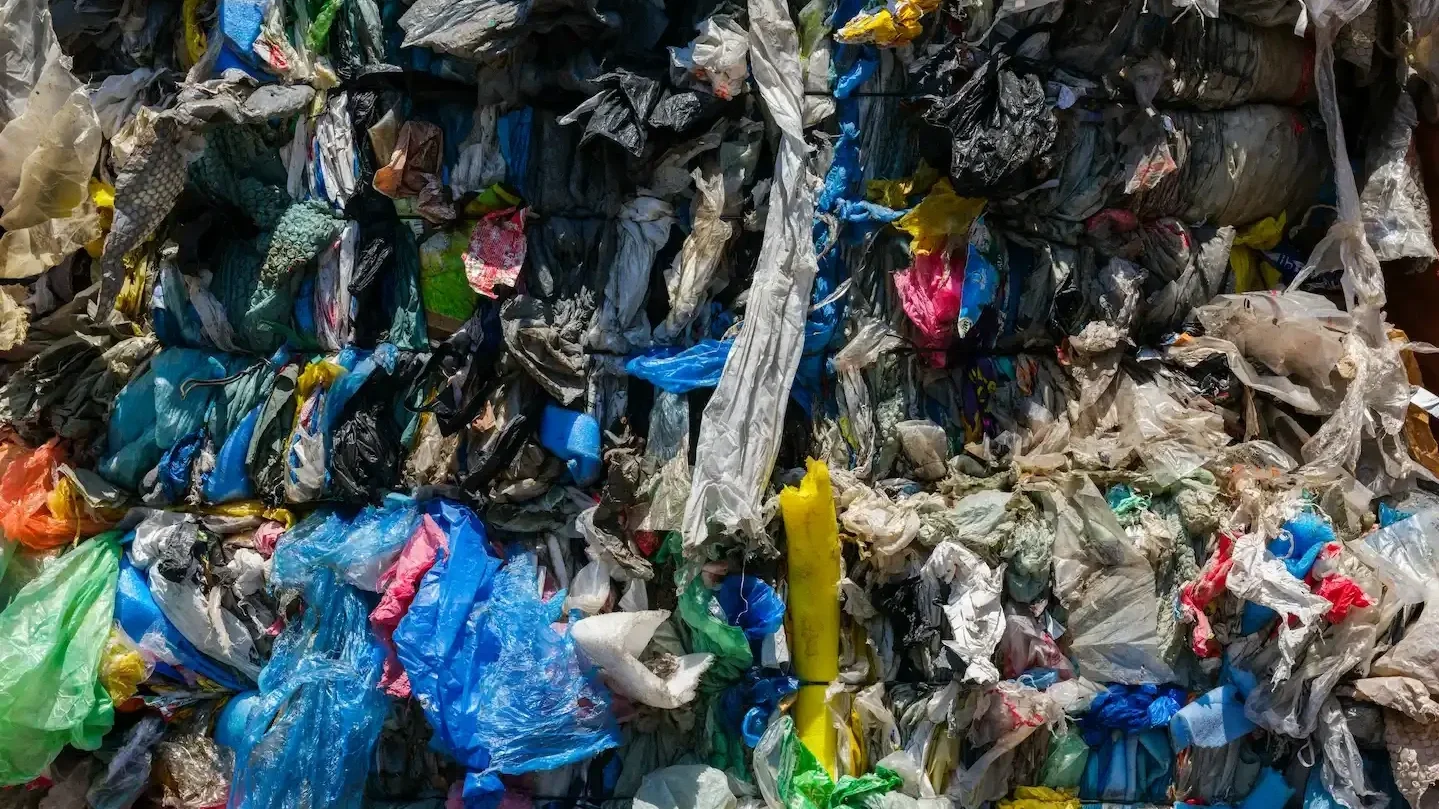
When you book a rubbish removal service, the job feels simple: the team arrives, loads everything into the van, and your clutter disappears. But what actually happens next? Where does your junk go? How is it sorted? What gets recycled, reused, or disposed of? And how do you know your waste is being handled legally and responsibly?
This guide breaks down the entire journey your junk takes after collection — from the moment it leaves your home to its final destination. Whether you’re clearing a house, renovating, decluttering, or managing commercial waste, understanding this process helps you choose a removal company that does things properly. Below, we’ll walk through each stage in detail, explain how waste is processed in the UK, and show how Joe Junk ensures your items are handled ethically, safely, and in line with environmental regulations.
The Journey Begins: Loading, Logging, and Transport
Once your items are collected, the first stage is secure transport. A professional waste‑removal team doesn’t simply throw everything into a van and drive off — there’s a structured process behind the scenes designed to protect your property, ensure legal compliance, and maximise recycling opportunities.
Items Are Logged and Categorised
Every load is assessed and categorised based on waste type. This matters because different materials require different disposal methods, and early sorting helps ensure the waste is processed correctly later on. General household waste, furniture, electrical items, scrap metal, wood, garden waste, construction debris, confidential waste, and hazardous materials all follow different pathways once they reach a licensed facility. By identifying these categories upfront, the removal team can ensure that nothing ends up in the wrong waste stream and that recyclable or reusable items are handled appropriately.
Safe Loading and Securing
Professional teams follow strict safety guidelines to prevent damage to your property, avoid injury during lifting, and ensure items don’t shift during transport. Heavy items are loaded first to create a stable base, fragile items are protected to prevent breakage, and hazardous materials are isolated to avoid contamination. This careful approach ensures that your waste arrives at the processing facility safely and in the correct condition for sorting.
Transport to a Licensed Waste Facility
Once everything is loaded, your junk is transported to a licensed waste transfer station. These facilities are regulated by the Environment Agency and must follow strict rules on sorting, recycling, storage, disposal, and environmental impact. This is where the real processing begins, and it’s one of the most important steps in ensuring your waste is handled responsibly.
Waste Transfer Stations: Where Sorting Really Happens
A waste transfer station is the beating heart of responsible waste management. It’s where your junk is separated, assessed, and directed to its next destination. These facilities are designed to maximise recycling, minimise landfill use, and ensure every item is handled according to UK waste regulations.
Initial Inspection
When your load arrives at the facility, it undergoes an initial inspection by trained staff. They check for hazardous materials, recyclable items, reusable goods, contaminated waste, and anything requiring special handling. This inspection ensures that dangerous or illegal items do not enter the wrong waste stream and that recyclable materials are identified early.
Mechanical and Manual Sorting
Sorting happens through a combination of manual labour and mechanical processes. Manual sorting is essential for accuracy, especially when dealing with furniture, electricals, wood, metals, and reusable household items. Workers separate these items by hand to ensure they are directed to the correct recycling or reuse pathway.
Mechanical sorting helps speed up the process and increase recycling rates. Machines separate plastics, cardboard, metals, aggregates, soil, and mixed waste using conveyor belts, magnets, shredders, and optical scanners. This combination of human expertise and advanced technology ensures that as much waste as possible is diverted away from landfill.
Weighing and Documentation
Every load is weighed and recorded to ensure accurate reporting, legal compliance, proper disposal fees, and environmental tracking. A reputable removal company will always use licensed facilities and maintain full documentation, giving you peace of mind that your waste is being handled correctly.
Recycling: What Can Be Reused or Repurposed?
One of the biggest misconceptions about junk removal is that everything goes straight to landfill. In reality, a large percentage of waste is recycled or repurposed, and modern facilities are designed to extract maximum value from discarded materials.
Wood
Wood is one of the most recyclable materials collected during junk removal. Untreated wood is often chipped and turned into biomass fuel, repurposed for landscaping projects, used in manufacturing, or recycled into composite materials. This reduces the need for new timber and supports sustainable production.
Metals
Metals are extremely recyclable and highly valuable. Once separated by type — such as steel, aluminium, and copper — they are melted down and reused in manufacturing. Recycling metal reduces the need for mining raw materials and significantly lowers environmental impact.
Electrical Items (WEEE Waste)
Electrical waste is carefully dismantled to extract recyclable components. Metals, plastics, and glass are recovered, while hazardous materials are safely disposed of. This prevents toxic substances from entering the environment and ensures valuable materials are reused.
Plastics
Plastics are sorted by polymer type and processed into pellets, which can be used to create new packaging, construction materials, and recycled goods. Although not all plastics are recyclable, many can be repurposed, reducing the demand for new plastic production.
Cardboard and Paper
Cardboard and paper are shredded, pulped, and reformed into new products. Paper recycling is one of the most efficient waste streams and plays a key role in reducing landfill use.
Garden Waste
Green waste is composted, turned into soil improver, used for landscaping, or converted into biomass. This keeps organic waste out of landfill and supports sustainable gardening and agriculture.
Reuse: What Happens to Items That Are Still Usable?
Not everything collected during junk removal is “junk.” Many items can be reused, donated, or repurposed, and responsible removal companies prioritise reuse wherever possible.
Furniture
Usable furniture is often donated to charities, given to reuse organisations, sold through second‑hand networks, or provided to families in need. This reduces waste, supports local communities, and ensures good-quality items don’t end up in landfill unnecessarily.
Appliances
Working appliances can be refurbished, repaired, donated, or sold second‑hand. Even broken appliances may have salvageable parts that can be reused in repairs or manufacturing.
Household Items
Everyday household items such as kitchenware, toys, clothing, tools, and decorations can often be reused rather than disposed of. These items may be donated, resold, or repurposed, extending their lifespan and reducing waste.
Commercial Items
Office furniture, shop fittings, and equipment may be rehomed, recycled, sold, or donated. Reuse is always prioritised over disposal, especially for commercial items that are still in good condition.
Disposal: What Happens to Waste That Can’t Be Recycled?
Some waste cannot be recycled or reused. When this happens, disposal must follow strict environmental rules to protect the planet and ensure legal compliance.
Landfill
Landfill is the last resort for waste that cannot be recycled, reused, or repurposed. Modern landfills are regulated to prevent soil contamination, water pollution, and gas emissions. Although they are far safer than older sites, landfill use is still minimised wherever possible.
Energy‑from‑Waste Facilities
Some waste is incinerated in specialised plants that convert heat into energy. This process reduces landfill use, generates electricity, and minimises environmental impact. It is a cleaner alternative to traditional incineration and plays a key role in modern waste management.
Hazardous Waste Disposal
Hazardous materials such as paint, chemicals, solvents, asbestos, batteries, and fluorescent tubes must be handled separately. These items are processed in specialised facilities to prevent harm to people, wildlife, and the environment.
Legal Compliance: Why It Matters
Waste disposal in the UK is heavily regulated. A professional removal company must comply with the Environmental Protection Act, Duty of Care regulations, Waste Carrier Licence requirements, WEEE regulations, hazardous waste rules, and landfill directives. Choosing a licensed company protects you from fly‑tipping fines, illegal disposal, environmental harm, and liability issues. Joe Junk operates fully within UK waste regulations and provides responsible, transparent disposal.
Environmental Impact: How Responsible Disposal Helps the Planet
Proper waste management reduces landfill usage, pollution, carbon emissions, resource extraction, and environmental damage. Recycling and reuse conserve materials and energy, while ethical disposal protects wildlife, soil, and water systems. Every responsible removal contributes to a cleaner, safer environment.
How Joe Junk Handles Your Waste Responsibly
Joe Junk prioritises recycling wherever possible, ensuring that reusable items are donated or repurposed. We only use licensed waste transfer stations and maintain full documentation for every load. Hazardous items are processed correctly, and our team follows strict safety guidelines throughout the entire process. Above all, we make waste removal simple, fast, and environmentally responsible.
Final Thoughts: Your Junk Doesn’t Just “Disappear” — It Goes Through a Responsible, Regulated Journey
When you hire a professional waste‑removal service, you’re not just paying for convenience — you’re paying for responsible handling, ethical disposal, and environmental protection. Your junk goes through a detailed process: sorted, recycled, reused, repurposed, and safely disposed of. Choosing a reputable company like Joe Junk ensures your waste is handled properly, legally, and with care for the planet.
If you’re ready to clear your space and know your items will be dealt with responsibly, Joe Junk is here to help.